Plywood
Plywood variants fall into three categories: exterior (WBP), interior (MR), and marine. Even though most people use Weather and Boil Proof or Water and Boil Proof (WBP) to describe exterior plywood, that descriptor has not been in use for some time.
Individual species’ endurance did not factor into the previous WBP standard, which only considered the adhesive type. The British Standards were amended for clarification to eliminate confusion.
Individual species’ endurance did not factor into the previous WBP standard, which only considered the adhesive type. The British Standards were amended for clarification to eliminate confusion.
An entirely exterior board would need to fulfill EN 636: Class 3, where the adhesive of EN 314-2: Class 3 is used in conjunction with a suitable biologically resistant wood species.
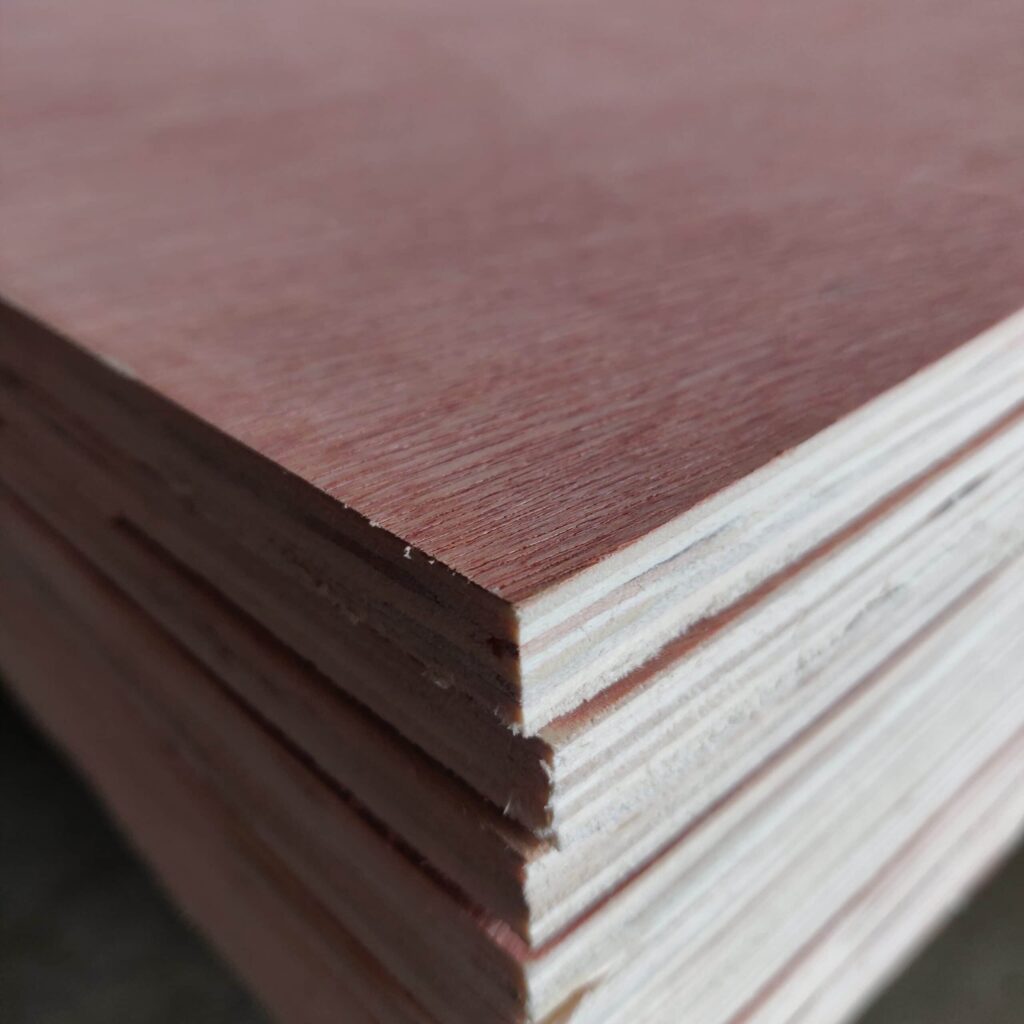
Plywood components are constructed differently based on how they will be utilized. If plywood is used for building, it is flattened into huge, sheet form. It can be made in custom curves if it is needed for furniture, boats, airplanes, or other complex structures.
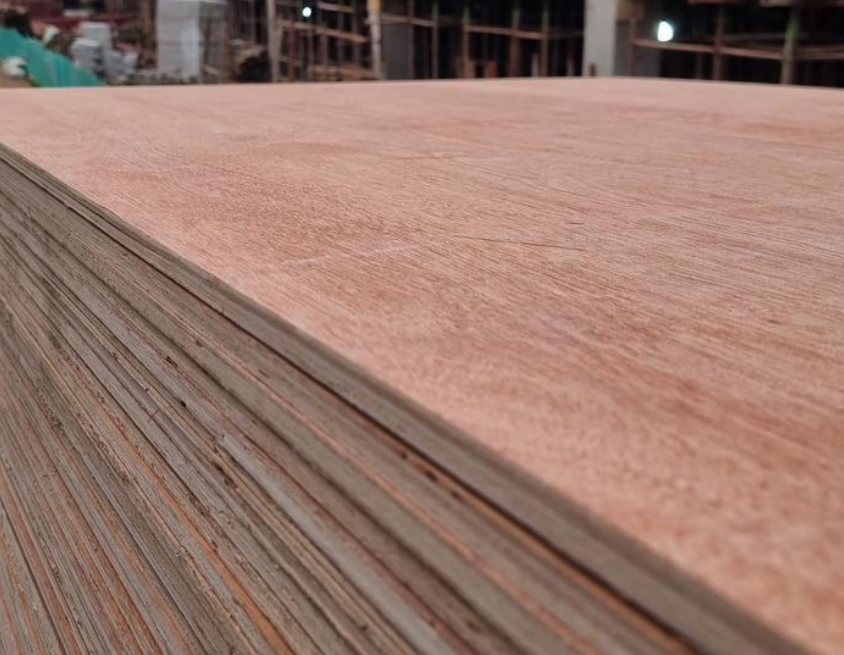
Each layer of plywood has an angled grain. This reduces the potential of shrinking while retaining the strength and longevity of the layer. The plywood is made up of at least three layers of wood that are subsequently glued together.
The front and back of the plywood are its two outer surfaces. The face is typically the visible half, while the rear is obscured from view. When 5+ plies are present, the extra internal layers are called the crossbands, while the primary layer is called the core.
1. Marine Plywood
Also known as BWP or boiling waterproof plywood, it is commonplace in the boat-making industry, given its high water resistance. Marine plywood is derived from Western Larch and Douglas fir. It is not naturally water resistant and requires treatment before use in marine applications and sometimes outdoor beachside furniture.
2. Plywood Flooring
Plywood flooring is a form of flooring that leverages plywood board instead of other materials. Plywood flooring usually comes with regional approval stamps, improved cross-graining, a high-stress rating, higher quality bonding, preservative treatment, and specialized finishing to withstand floor stress.
3. Exterior Plywood
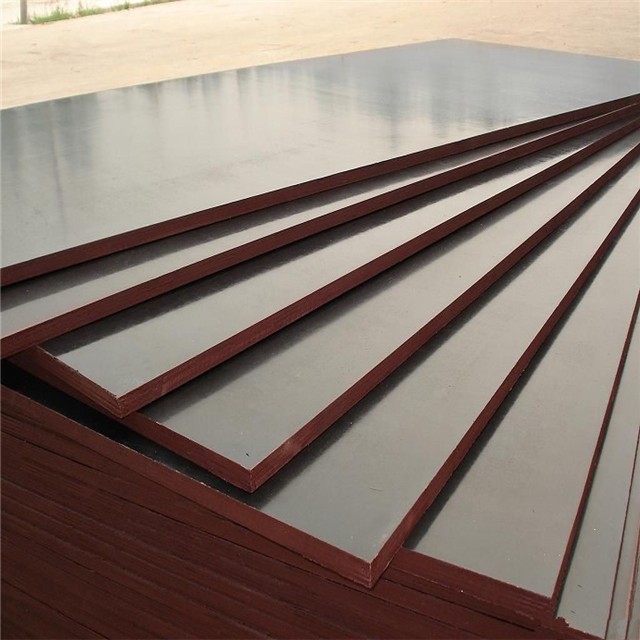
Exterior plywood is designed for outdoor use. The design gives it weather resistance, with specific or broad design adaptations for different environments. It often comes from Douglas Fir and is fused with waterproof glue to make it durable.
4. Interior Plywood
Interior plywood is designed for indoor use. However, that doesn’t mean it is less desirable than outdoor counterparts since you can get variants with moisture and boiling water resistance. Interior plywood can make wall paneling, partitioning, cabinets, furniture, the ceiling, floors, and more.
Plywood Grades
The grade refers to the physical appearance of the plywood.
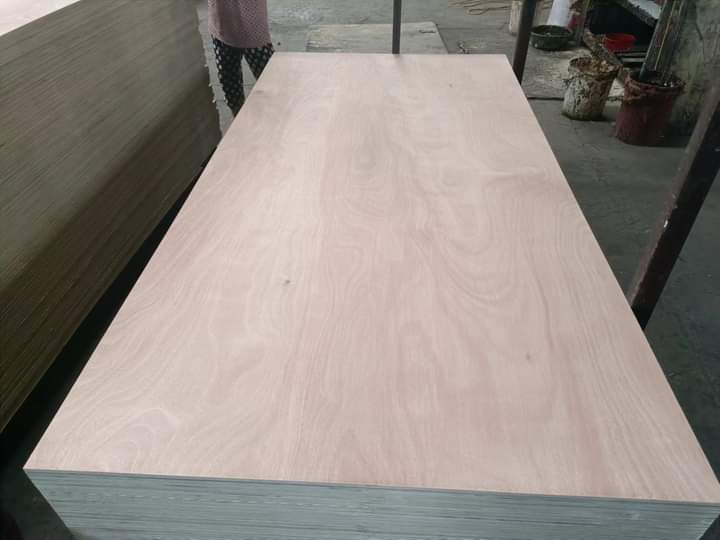
Grade A: The sheet’s face and back are defect-free, with a clean, sanded surface and few knots. The surface is suitable for cabinets and furniture and may be stained or painted. It is designed to be seen rather than obscured by another material.
Grade B: The sheet is sanded smooth with a few minor flaws on the face and back, some of which have been filled in with patching or wood filler. It is also cheaper than Grade A.
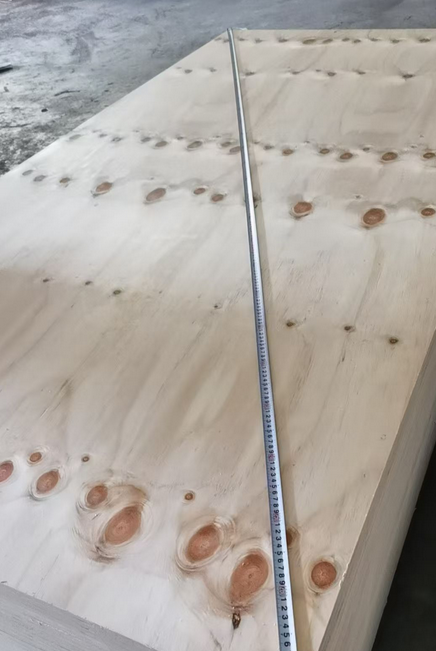
Grade C: This level exhibits tight knots up to 1 1/2 inches wide that is not sanded. There may be extensive filling and patching. It is excellent for subflooring and surfaces meant to be covered up.
Grade D: This grade is unsanded, shows several patches and filler applications, has knot holes up to 2 1/2 inches in width, and has some unrepaired flaws. Similar to Grade C, it is suitable for structural applications that won’t be visible.
When two grades are listed, such as in the example A/B, the A stands for the front and the B for the back.